
We narrowed to 4,636 results for: pcr
-
Plasmid#105199Purposeto generate a riboprobe for in situ hybridazationDepositorInsertAdrb2 (Adrb2 Mouse)
UseTo ganerate riboprobeAvailable SinceFeb. 14, 2018AvailabilityAcademic Institutions and Nonprofits only -
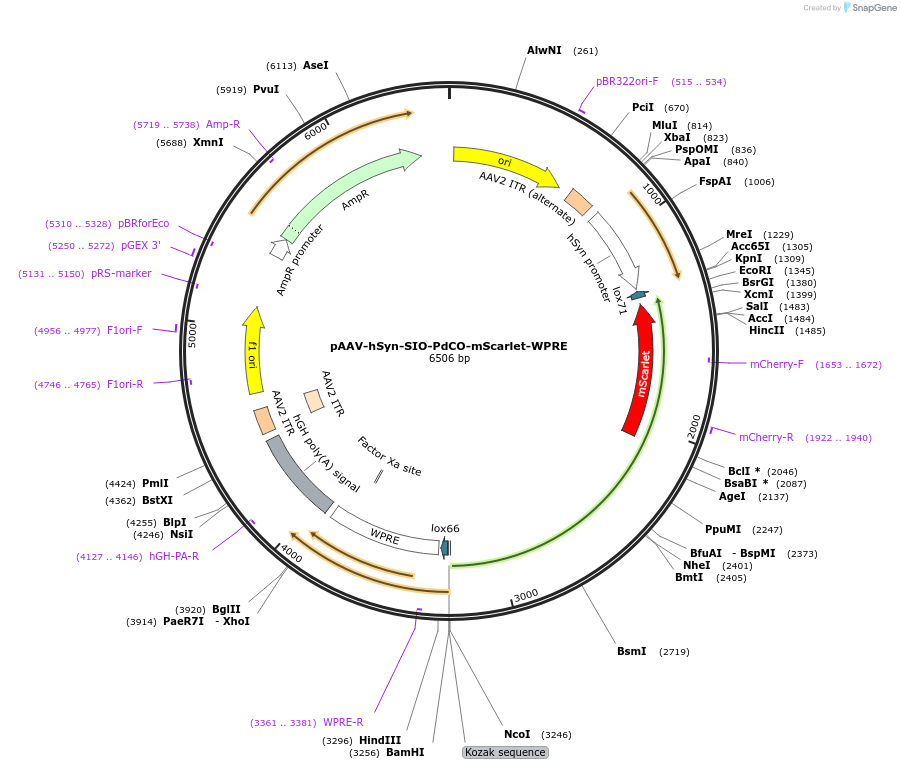
LTB4R2B-Tango
Plasmid#66424PurposeExpression of G protein-coupled receptors for PRESTO-Tango: parallel receptorome expression and screening via transcriptional output, with transcriptional activation following arrestin translocationDepositorInsertLTB4R2B
TagsFLAGExpressionMammalianPromoterCMVAvailable SinceSept. 15, 2015AvailabilityAcademic Institutions and Nonprofits only -
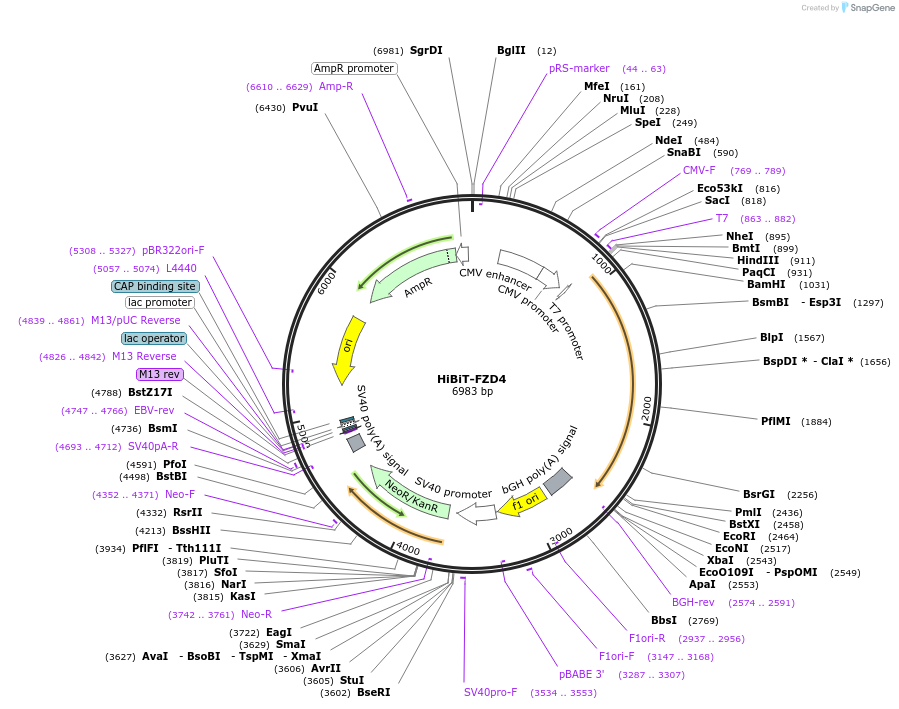
CHRM3-DuET
Plasmid#213209PurposeThe DuET construct encodes the named human GPCR engineered with a cleaved hemagglutinin signal peptide, a 5' FLAG and a 3' 1D4 epitope tag optimized for expression in mammalian cells and proteomics studies.DepositorAvailable SinceApril 23, 2024AvailabilityAcademic Institutions and Nonprofits only -
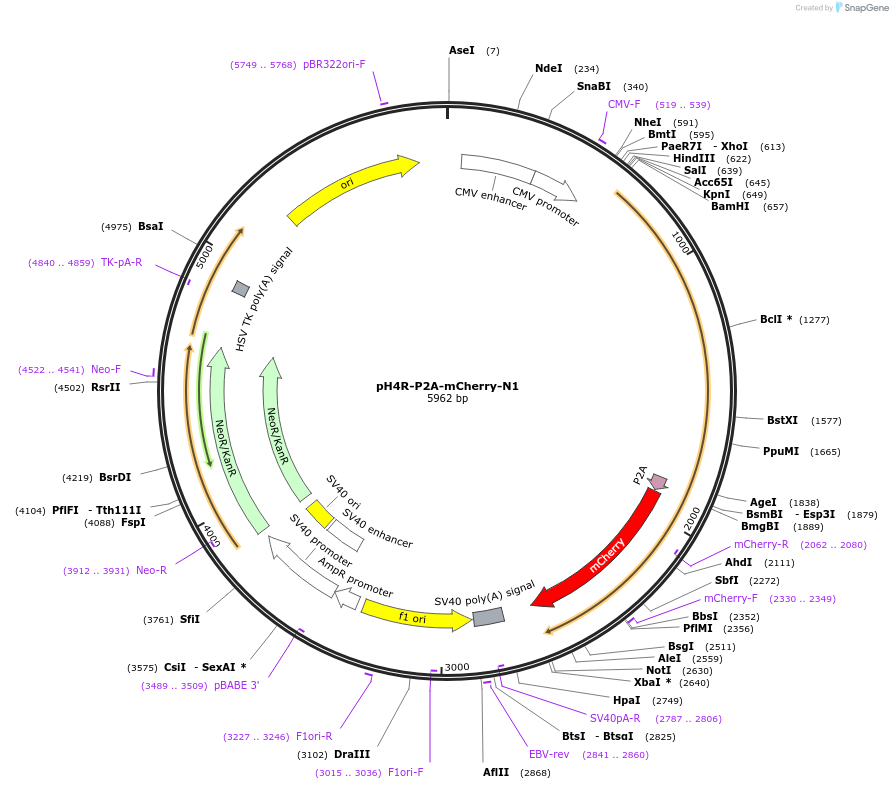
C3AR1-DuET
Plasmid#213191PurposeThe DuET construct encodes the named human GPCR engineered with a cleaved hemagglutinin signal peptide, a 5' FLAG and a 3' 1D4 epitope tag optimized for expression in mammalian cells and proteomics studies.DepositorAvailable SinceApril 23, 2024AvailabilityAcademic Institutions and Nonprofits only -
pDisplay-GRAB_CCK1.0
Plasmid#208672PurposeExpresses the genetically-encoded fluorescent cholecystokinin (CCK) sensor GRAB_CCK1.0 in mammalian cellsDepositorInsertGPCR activation based cholecystokinin (CCK) sensor GRAB_CCK1.0
ExpressionMammalianPromoterCMVAvailable SinceJan. 16, 2024AvailabilityAcademic Institutions and Nonprofits only -
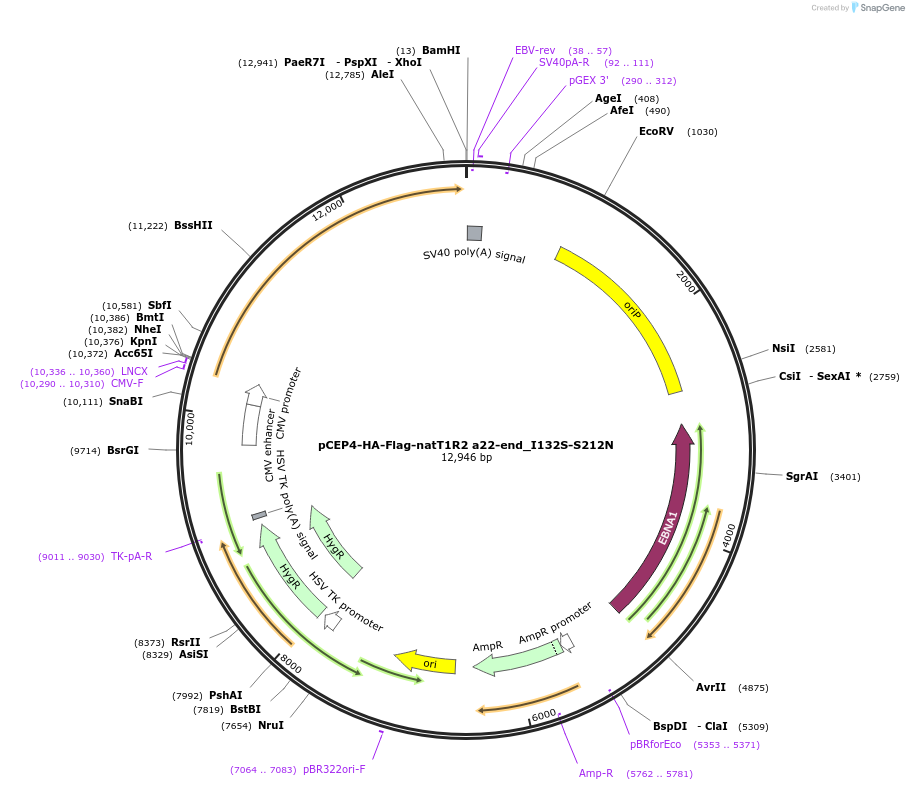
pminiTol2-HuC-NE2h
Plasmid#208689PurposeExpresses the genetically-encoded fluorescent norepinephrine (NE) sensor GRAB_NE2h pan-neuronally in zebrafishDepositorInsertGPCR activation based norepinephrine (NE) sensor GRAB_NE2h
UseCloning vectorPromoterHucAvailable SinceOct. 23, 2023AvailabilityAcademic Institutions and Nonprofits only -
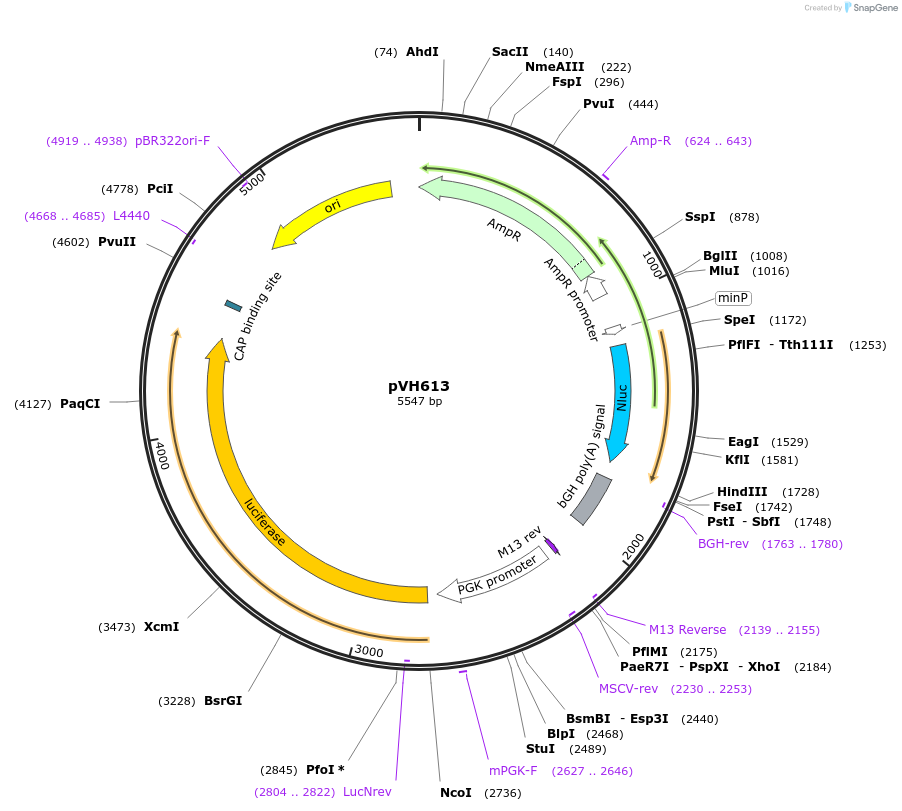
GPR20-Tango
Plasmid#66344PurposeExpression of G protein-coupled receptors for PRESTO-Tango: parallel receptorome expression and screening via transcriptional output, with transcriptional activation following arrestin translocationDepositorAvailable SinceSept. 15, 2015AvailabilityAcademic Institutions and Nonprofits only -
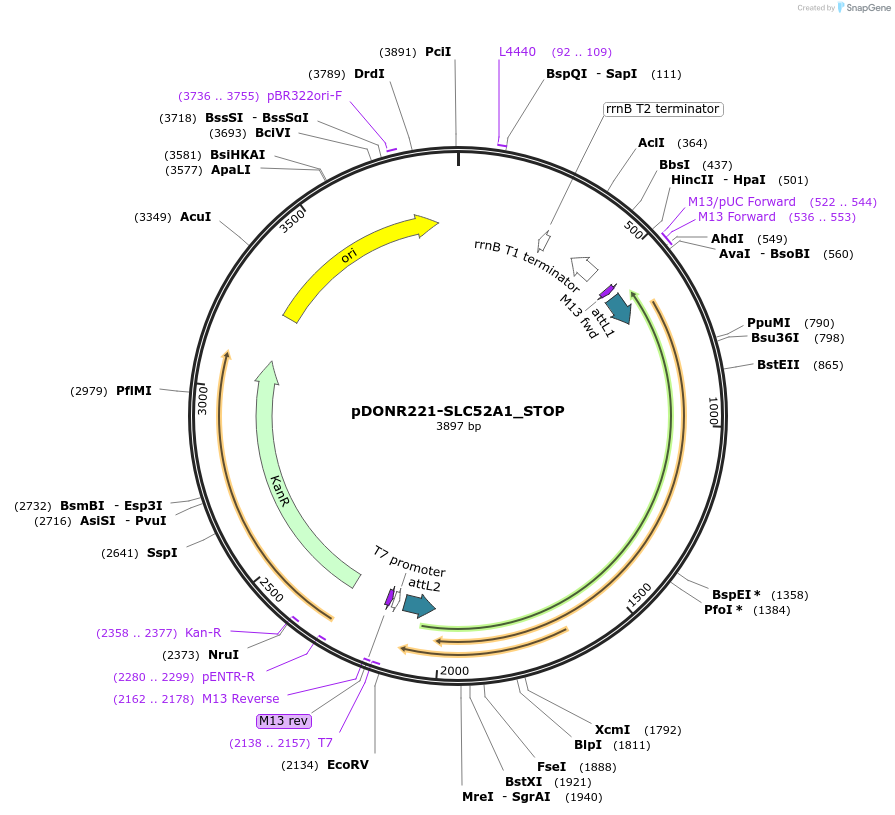
GPR21-Tango
Plasmid#66345PurposeExpression of G protein-coupled receptors for PRESTO-Tango: parallel receptorome expression and screening via transcriptional output, with transcriptional activation following arrestin translocationDepositorAvailable SinceSept. 15, 2015AvailabilityAcademic Institutions and Nonprofits only -
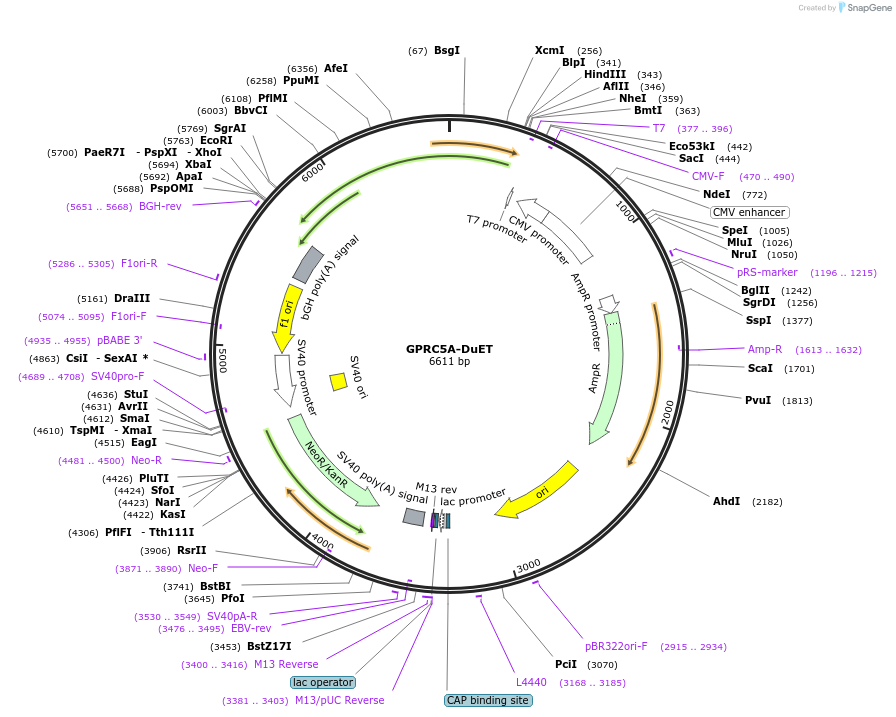
PTPN11 in pENTR
Plasmid#216604Purposegateway cloning donor vector containing PTPN11DepositorInsertPTPN11 (PTPN11 Human)
UseGateway CloningAvailable SinceMarch 28, 2024AvailabilityAcademic Institutions and Nonprofits only -
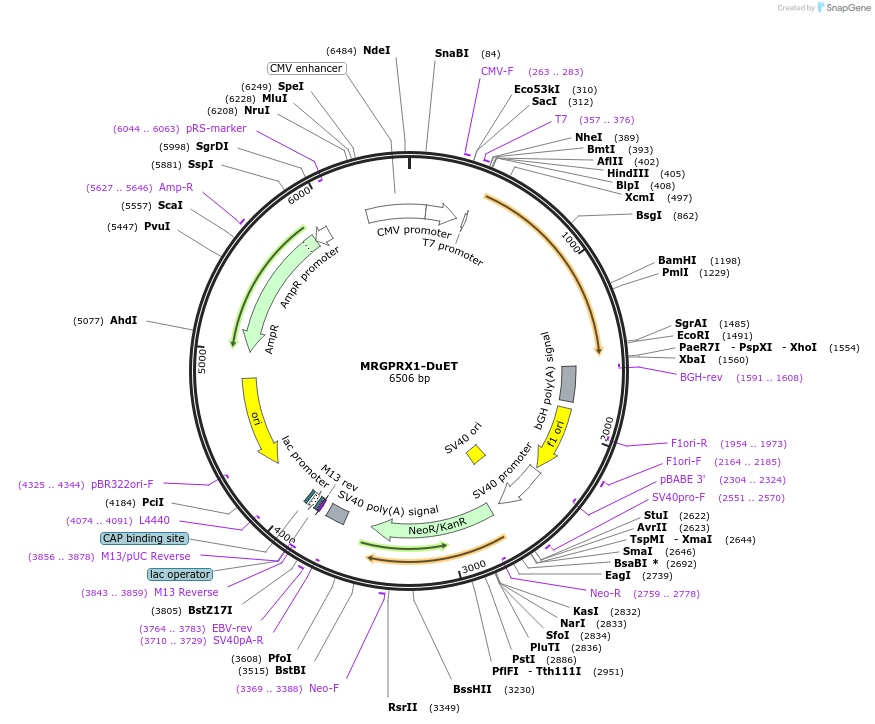
GPR173-Tango
Plasmid#66338PurposeExpression of G protein-coupled receptors for PRESTO-Tango: parallel receptorome expression and screening via transcriptional output, with transcriptional activation following arrestin translocationDepositorAvailable SinceSept. 15, 2015AvailabilityAcademic Institutions and Nonprofits only -
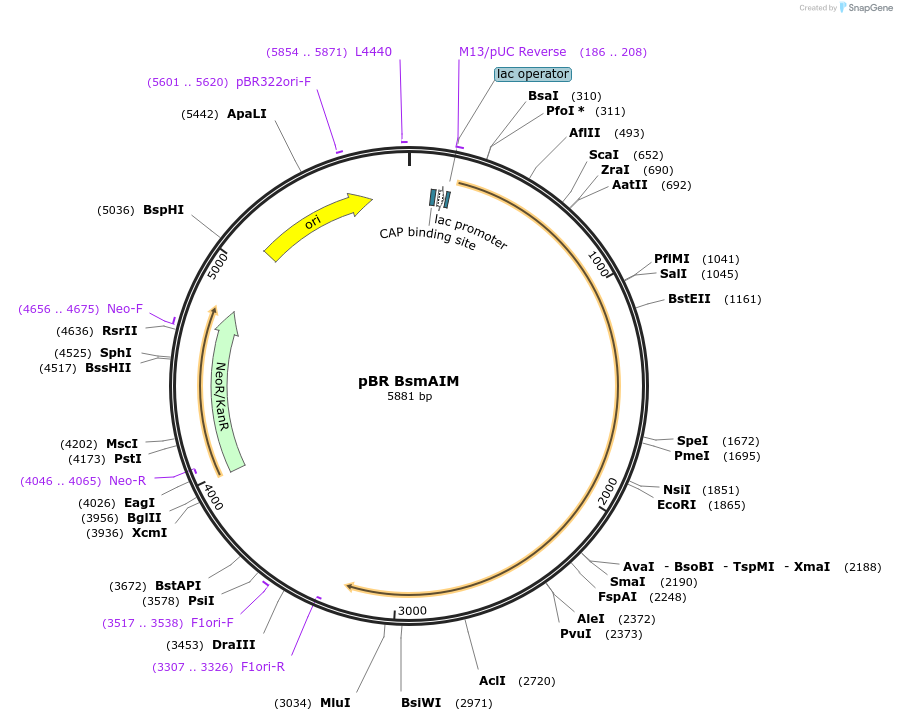
OPRK1-DuET
Plasmid#213359PurposeThe DuET construct encodes the named human GPCR engineered with a cleaved hemagglutinin signal peptide, a 5' FLAG and a 3' 1D4 epitope tag optimized for expression in mammalian cells and proteomics studies.DepositorAvailable SinceApril 23, 2024AvailabilityAcademic Institutions and Nonprofits only -
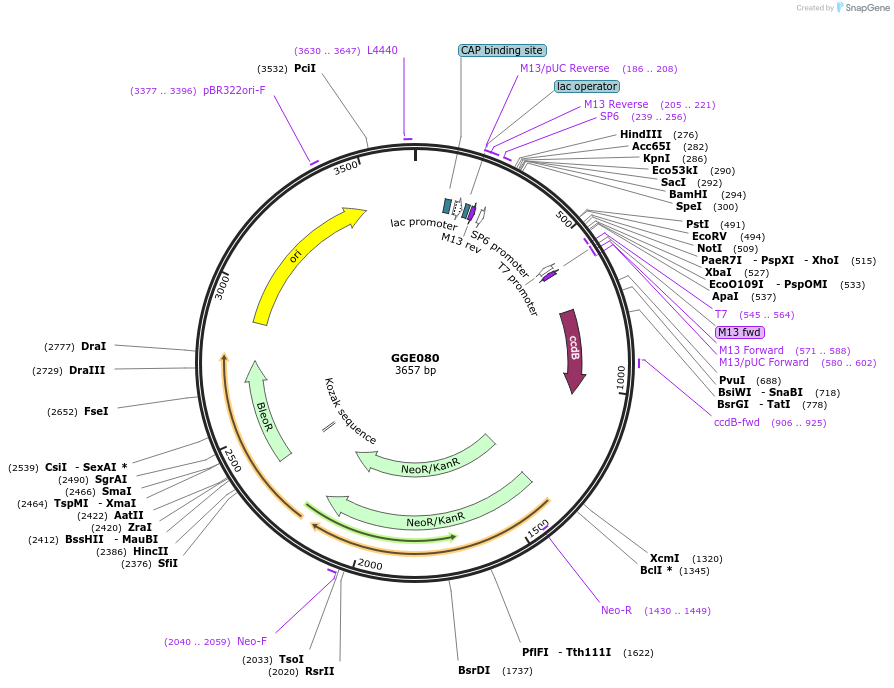
bArr1-ALFA
Plasmid#201496PurposeExpression of the beta-arrestin1 containing a C-terminal ALFA tag.DepositorAvailable SinceAug. 10, 2023AvailabilityAcademic Institutions and Nonprofits only -
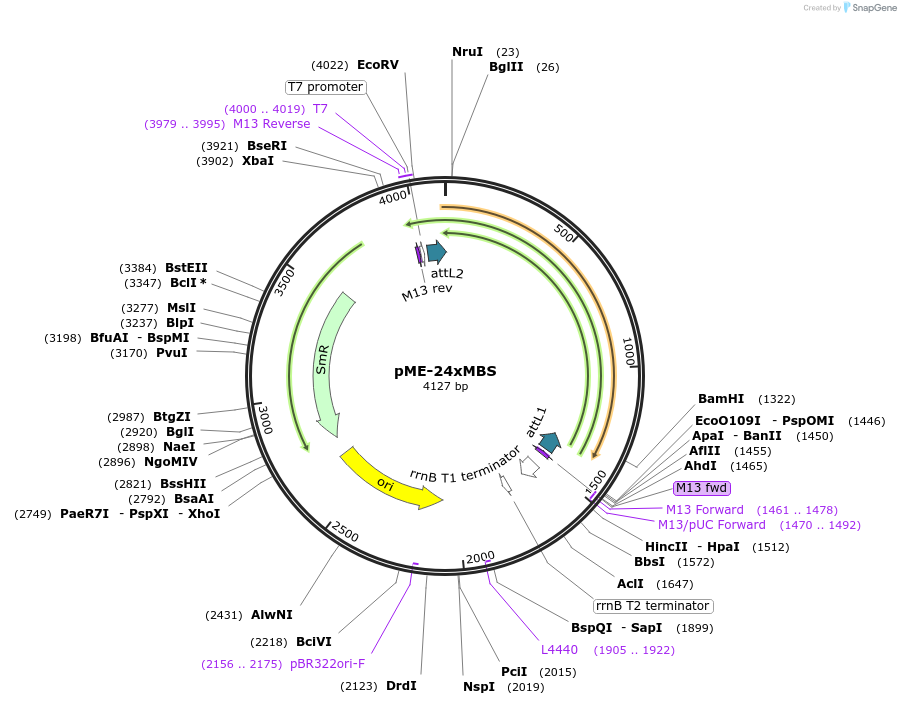
GPR83-Tango
Plasmid#66376PurposeExpression of G protein-coupled receptors for PRESTO-Tango: parallel receptorome expression and screening via transcriptional output, with transcriptional activation following arrestin translocationDepositorAvailable SinceSept. 15, 2015AvailabilityAcademic Institutions and Nonprofits only -
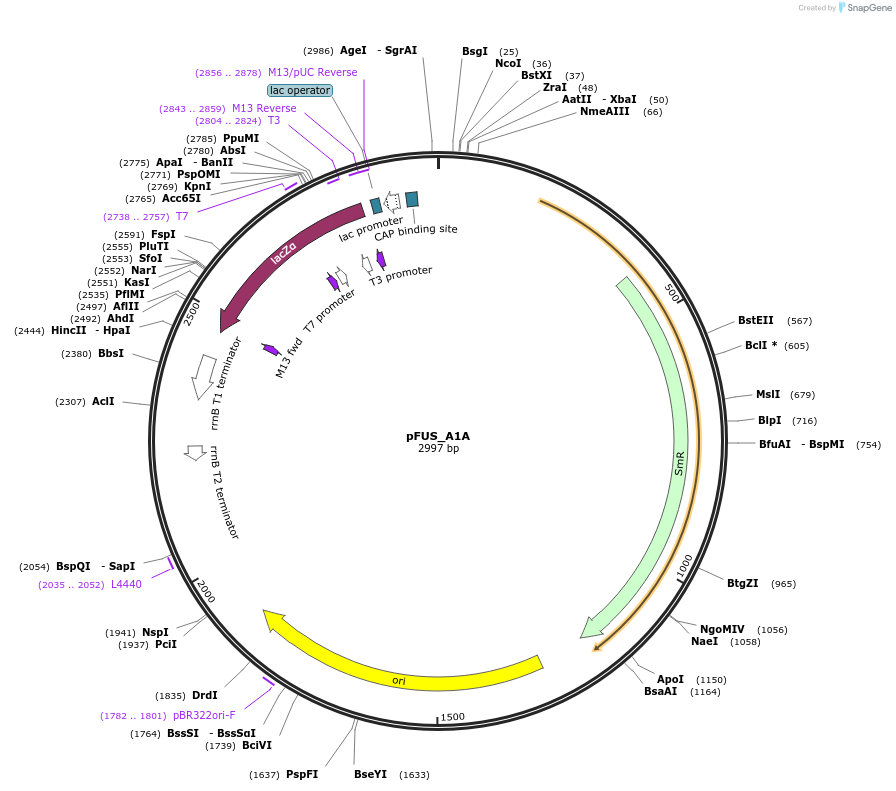
GPR156-Tango
Plasmid#66330PurposeExpression of G protein-coupled receptors for PRESTO-Tango: parallel receptorome expression and screening via transcriptional output, with transcriptional activation following arrestin translocationDepositorAvailable SinceSept. 15, 2015AvailabilityAcademic Institutions and Nonprofits only -
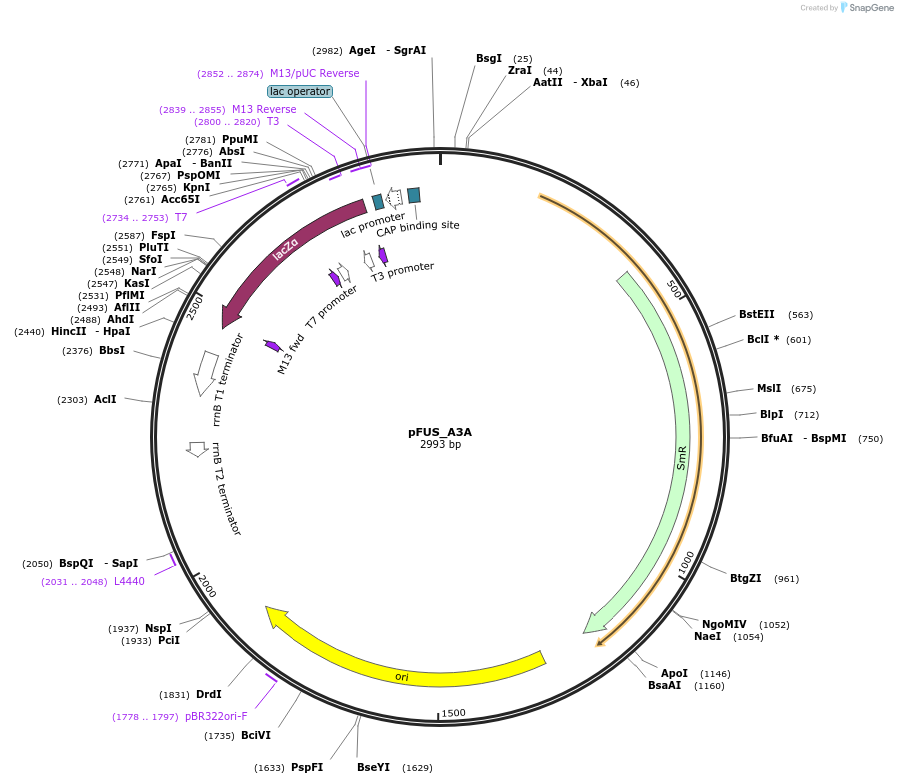
MCHR1-DuET
Plasmid#213337PurposeThe DuET construct encodes the named human GPCR engineered with a cleaved hemagglutinin signal peptide, a 5' FLAG and a 3' 1D4 epitope tag optimized for expression in mammalian cells and proteomics studies.DepositorAvailable SinceApril 23, 2024AvailabilityAcademic Institutions and Nonprofits only -
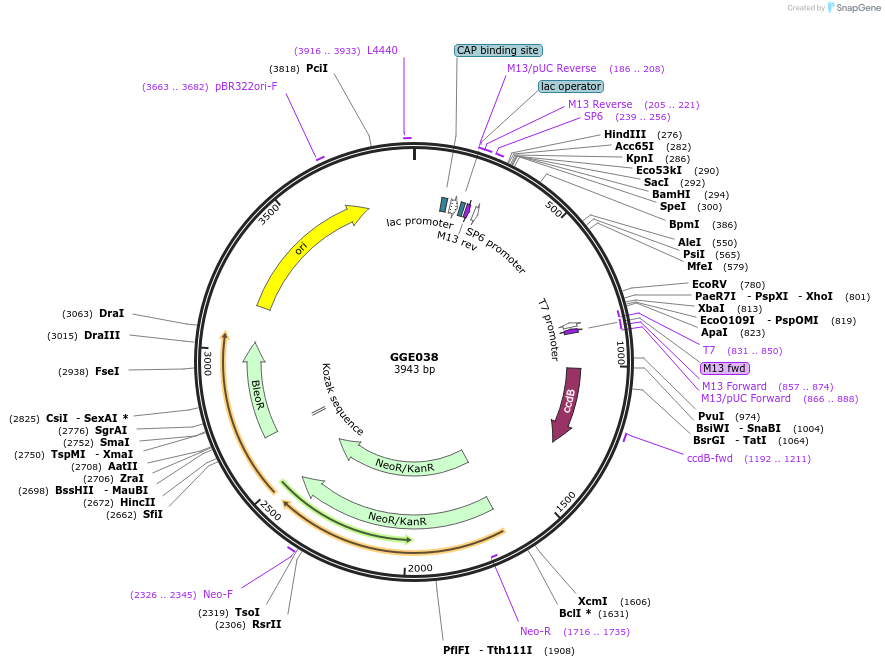
FSHR-DuET
Plasmid#213242PurposeThe DuET construct encodes the named human GPCR engineered with a cleaved hemagglutinin signal peptide, a 5' FLAG and a 3' 1D4 epitope tag optimized for expression in mammalian cells and proteomics studies.DepositorAvailable SinceApril 23, 2024AvailabilityAcademic Institutions and Nonprofits only -
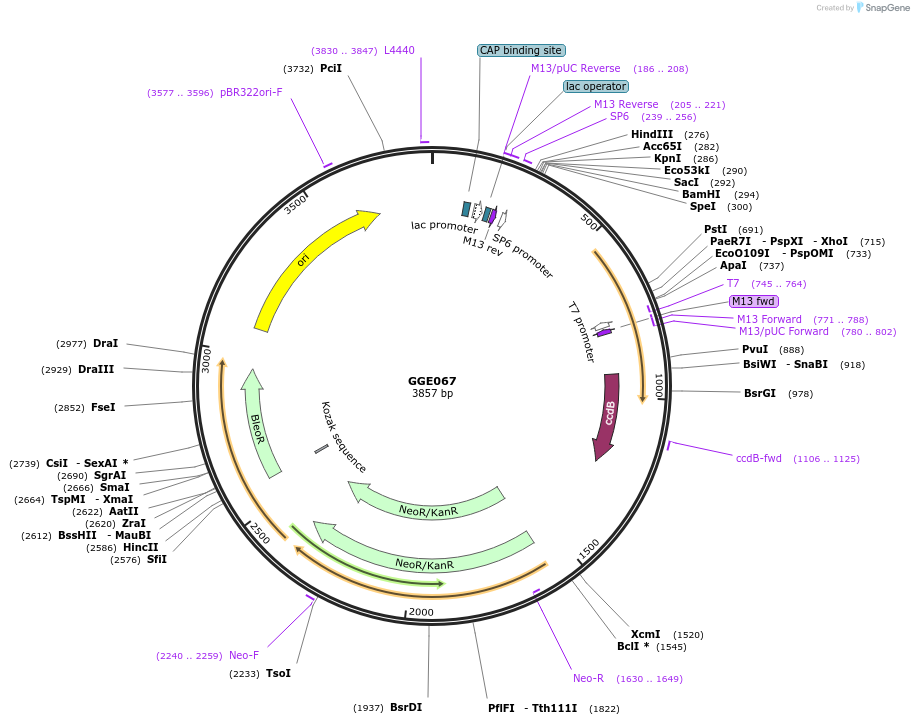
pAAV-hSyn-DIO-GRAB_VIP1.0
Plasmid#208680PurposeExpresses the genetically-encoded fluorescent vasoactive intestinal peptide (VIP) sensor GRAB_VIP1.0 in a cre-dependent mannerDepositorInsertGPCR activation based vasoactive intestinal peptide (VIP) sensor GRAB_VIP1.0
UseAAVPromoterhSynAvailable SinceOct. 30, 2023AvailabilityAcademic Institutions and Nonprofits only -
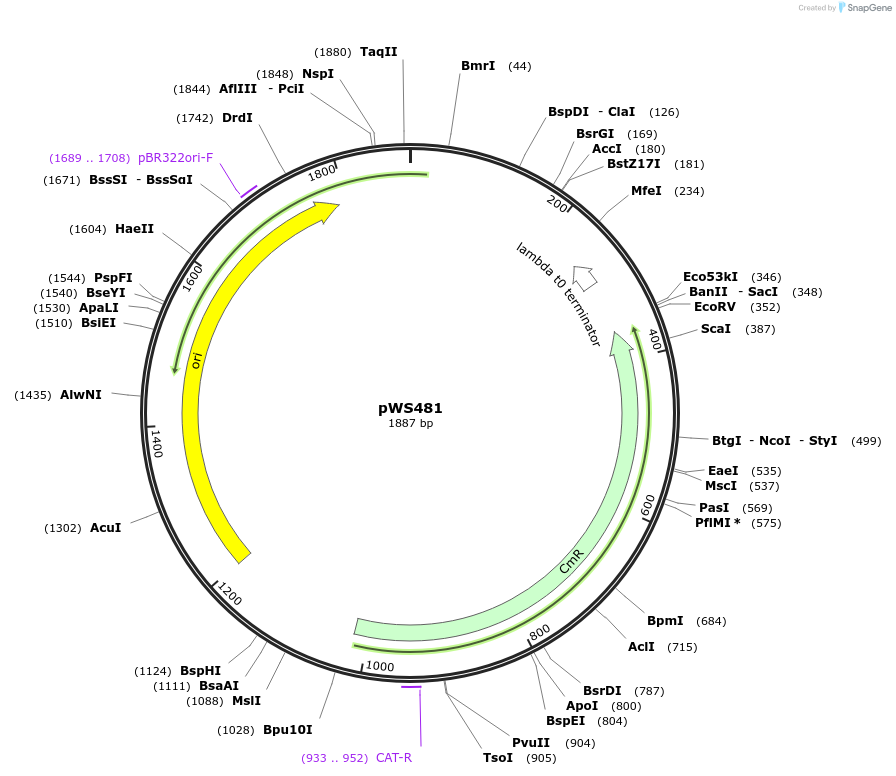
pMCB619
Plasmid#171011PurposeCRISPR sgRNA vector (puro-BFP with BstXI/BlpI digest sites).DepositorInsertU6:sgRNA_Puro-T2A-BFP
UseCRISPR and LentiviralExpressionMammalianPromotermU6Available SinceAug. 19, 2021AvailabilityAcademic Institutions and Nonprofits only -
UTS2R-Tango
Plasmid#66519PurposeExpression of G protein-coupled receptors for PRESTO-Tango: parallel receptorome expression and screening via transcriptional output, with transcriptional activation following arrestin translocationDepositorAvailable SinceSept. 15, 2015AvailabilityAcademic Institutions and Nonprofits only -
TAAR9-Tango
Plasmid#66513PurposeExpression of G protein-coupled receptors for PRESTO-Tango: parallel receptorome expression and screening via transcriptional output, with transcriptional activation following arrestin translocationDepositorAvailable SinceSept. 15, 2015AvailabilityAcademic Institutions and Nonprofits only