We narrowed to 11,753 results for: ARIA;
-
Plasmid#54145PurposeLocalization: Light Chain Myosin, Excitation: 487, Emission: 509DepositorInsertLC-Myosin
TagsmEmeraldExpressionMammalianPromoterCMVAvailable SinceJuly 10, 2014AvailabilityIndustry, Academic Institutions, and Nonprofits -
pYCTK030
Plasmid#176734PurposeThe plasmid is part of a GG toolkit for cell-cell communication in S. cerevisiae. This plasmid is an L0 part plasmid and contains the Bar1 gene of Candida albicans (barrier part).DepositorArticleInsertbar1Ca
UseSynthetic BiologyMutationCodon-optimized for expression in S. cerevisiaeAvailable SinceJan. 6, 2022AvailabilityAcademic Institutions and Nonprofits only -
pYCTK008
Plasmid#176712PurposeThe plasmid is part of a GG toolkit for cell-cell communication in S. cerevisiae. This plasmid is an L0 part plasmid and contains the alpha-factor gene of Candida albicans (sender part).DepositorArticleInsertmfalpha1Ca
UseSynthetic BiologyMutationCodon-optimized for expression in S. cerevisiaeAvailable SinceJan. 6, 2022AvailabilityAcademic Institutions and Nonprofits only -
PL06008A2C06 (smedwi2)
Plasmid#35698DepositorInsertSmedwi2
PromoterT7 sense, T3 antisenseAvailable SinceApril 2, 2012AvailabilityAcademic Institutions and Nonprofits only -
pRK5-HA-Sestrin2-E451A
Plasmid#73674PurposeoverexpressionDepositorInsertSesn2 (SESN2 Human)
TagsHAExpressionMammalianMutationE451A changed Glutamate 451 to AlaninePromoterCMVAvailable SinceMarch 30, 2016AvailabilityAcademic Institutions and Nonprofits only -
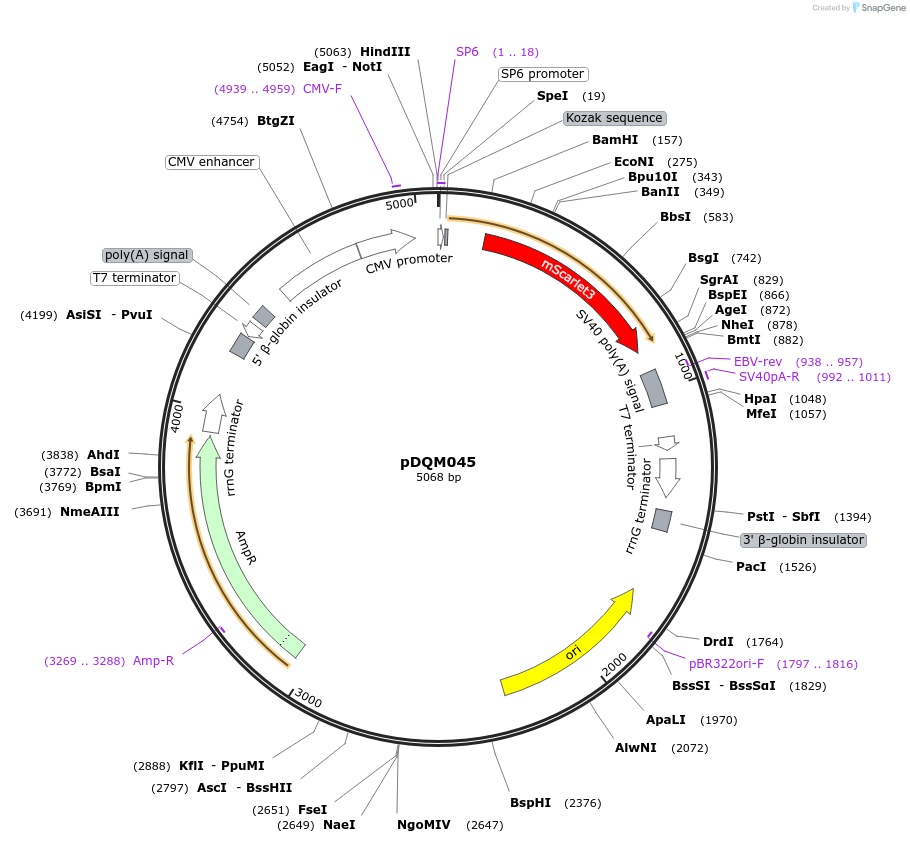
pRK5-HA-Sestrin2-L261A
Plasmid#73672PurposeoverexpressionDepositorInsertSesn2 (SESN2 Human)
TagsHAExpressionMammalianMutationL261A changed Leucine 261 to AlaninePromoterCMVAvailable SinceMarch 30, 2016AvailabilityAcademic Institutions and Nonprofits only -
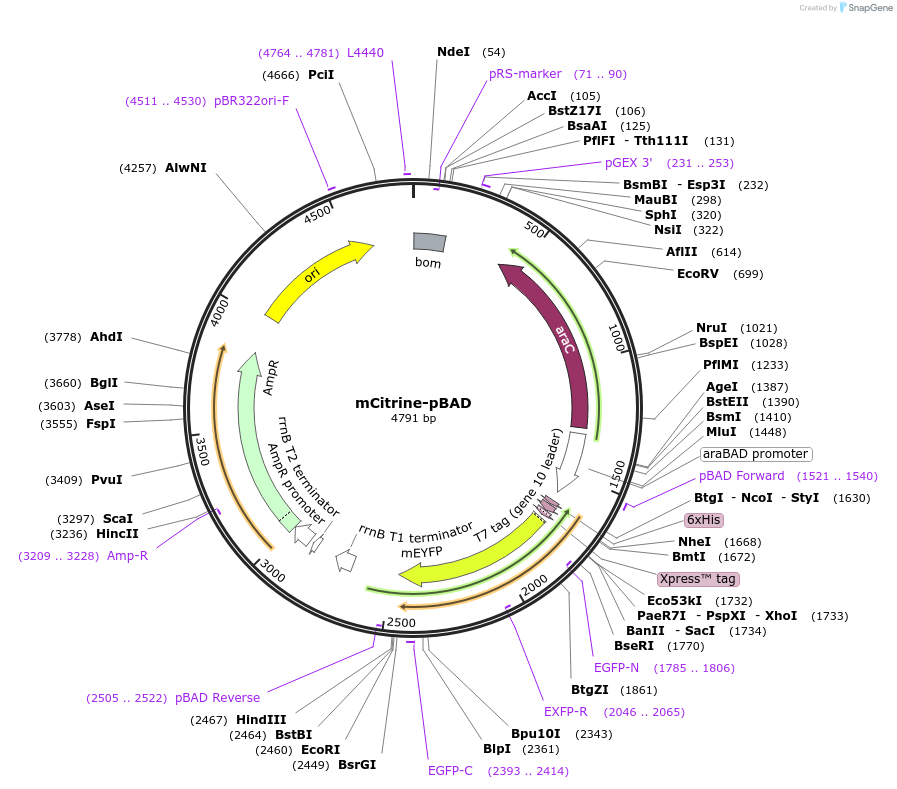
pBS-Histone H3
Plasmid#45086DepositorInsertHistone H3
UseRNAi; In vitro transcriptionPromoterT7 sense, T3 antisenseAvailable SinceMay 30, 2013AvailabilityAcademic Institutions and Nonprofits only -
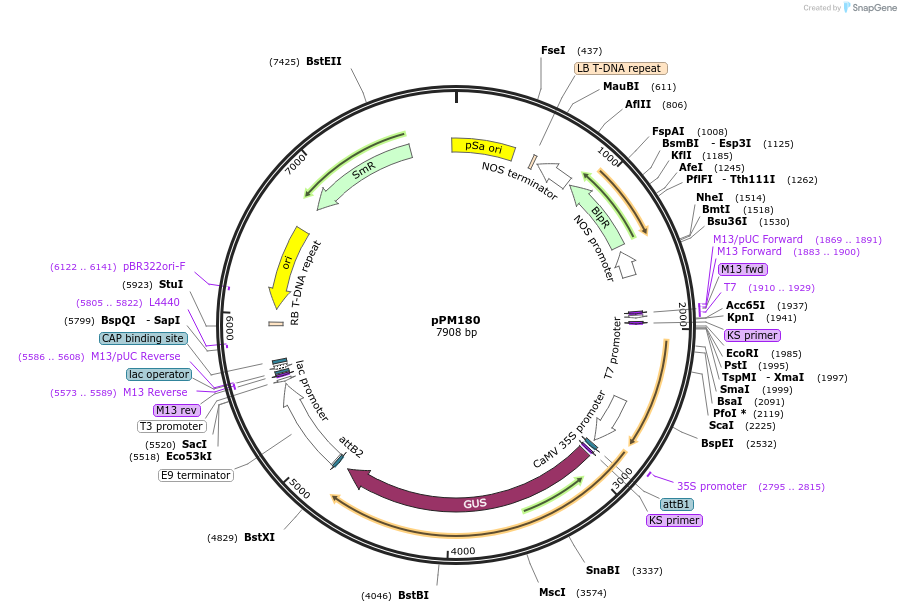
PL06010B1H03 (smedwi1)
Plasmid#35699DepositorInsertSmedwi1
PromoterT7 sense, T3 antisenseAvailable SinceApril 2, 2012AvailabilityAcademic Institutions and Nonprofits only -
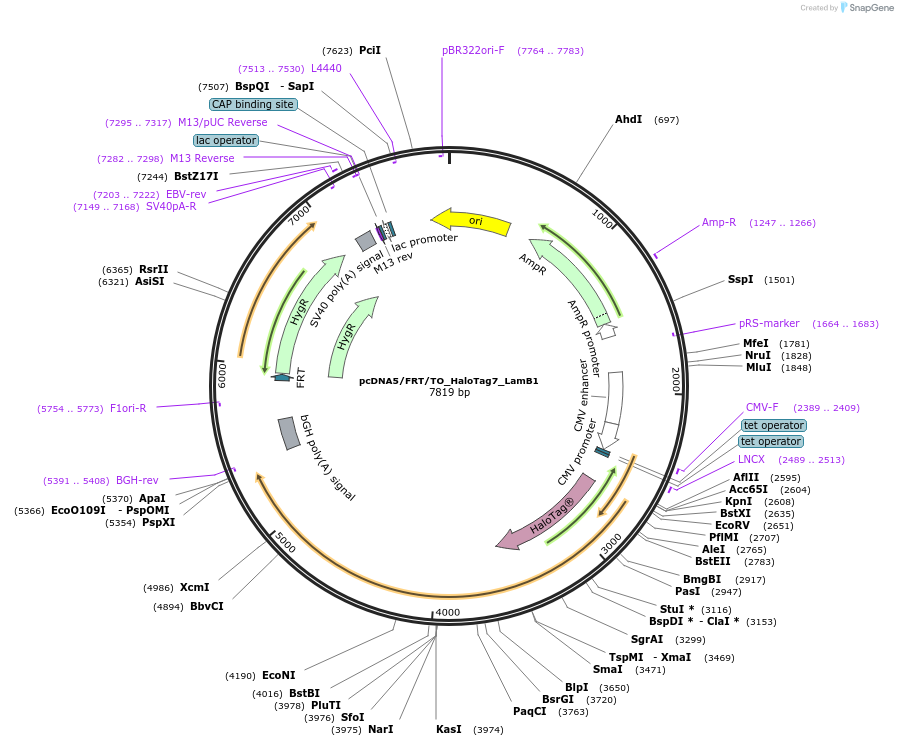
NODAL-matDYK
Plasmid#115258PurposeFor mammalian expression of the human NODAL open reading frame with an internal DYK tagDepositorAvailable SinceSept. 27, 2022AvailabilityAcademic Institutions and Nonprofits only -
NODAL-T7TS
Plasmid#115250PurposeFor in vitro transcription of human NODAL open reading frame RNADepositorAvailable SinceSept. 27, 2022AvailabilityAcademic Institutions and Nonprofits only -
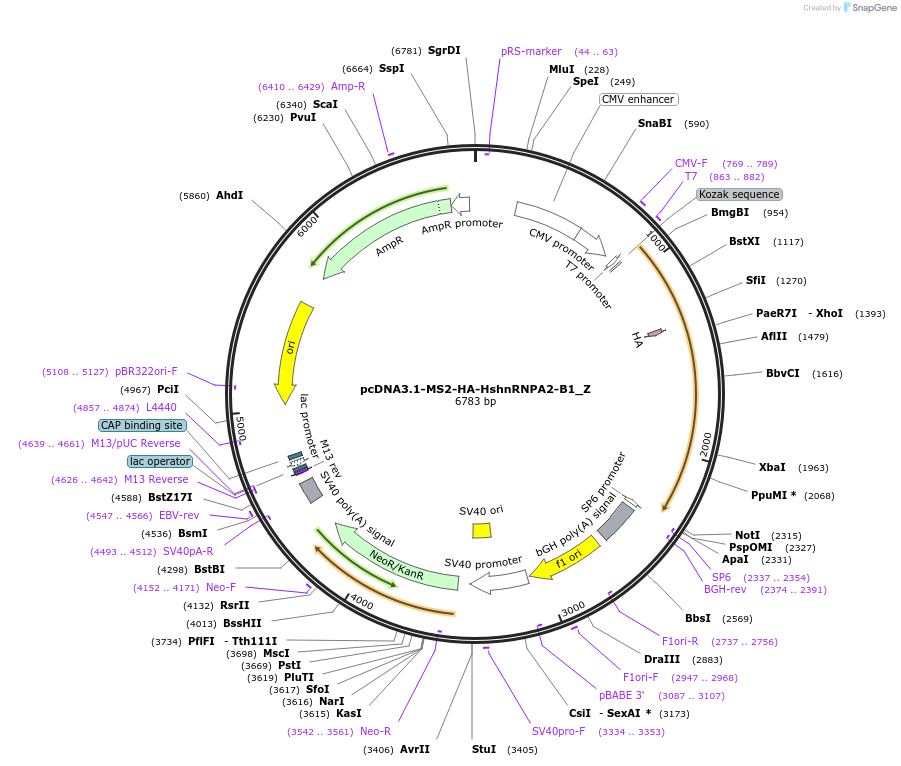
pYCTK010
Plasmid#176714PurposeThe plasmid is part of a GG toolkit for cell-cell communication in S. cerevisiae. This plasmid is an L0 part plasmid and contains the alpha-factor gene of Kazachstania africana (sender part).DepositorArticleInsertmfalpha1Ka
UseSynthetic BiologyMutationCodon-optimized for expression in S. cerevisiaeAvailable SinceApril 26, 2022AvailabilityAcademic Institutions and Nonprofits only -
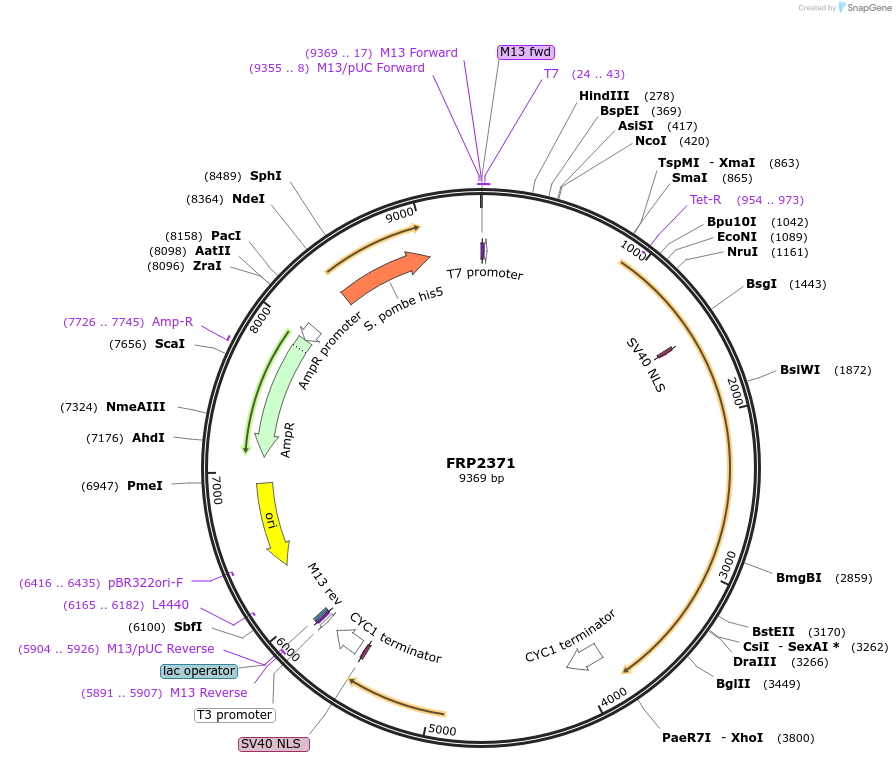
M2Y0E7
Plasmid#163225PurposeInducible expression of UniProt identifier M2Y0E7DepositorInsertM2Y0E7
Tags10xHis and T7ExpressionBacterialPromoterT7Available SinceFeb. 25, 2022AvailabilityAcademic Institutions and Nonprofits only -
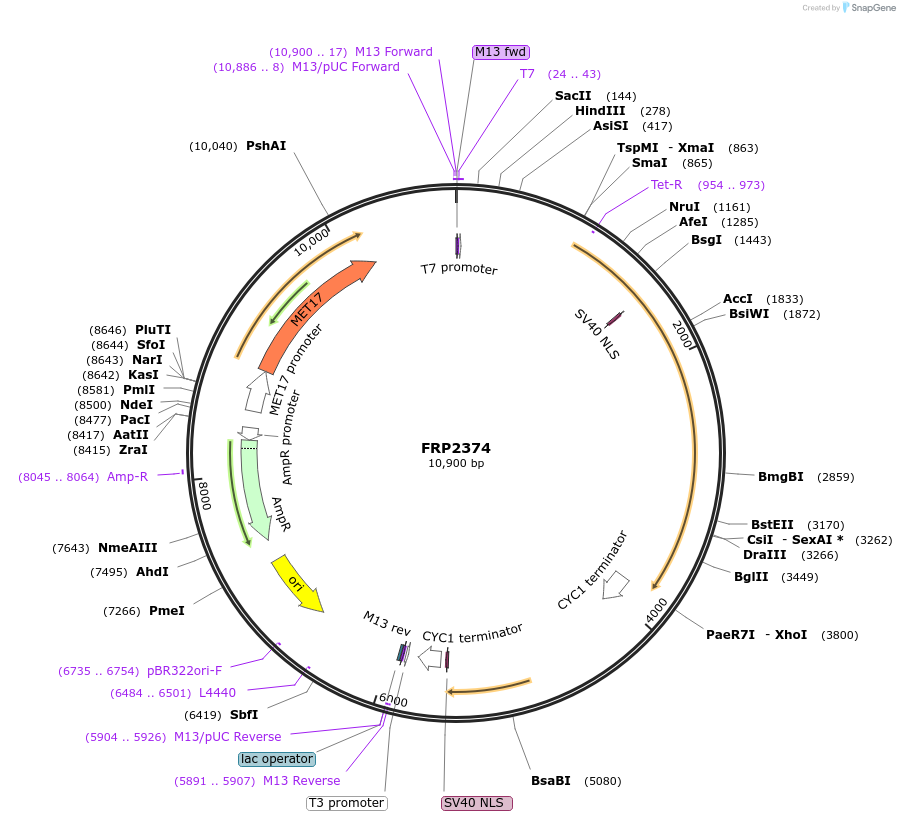
A0A090SES2
Plasmid#163182PurposeInducible expression of UniProt identifier A0A090SES2DepositorInsertA0A090SES2
Tags10xHis and T7ExpressionBacterialPromoterT7Available SinceFeb. 14, 2022AvailabilityAcademic Institutions and Nonprofits only -
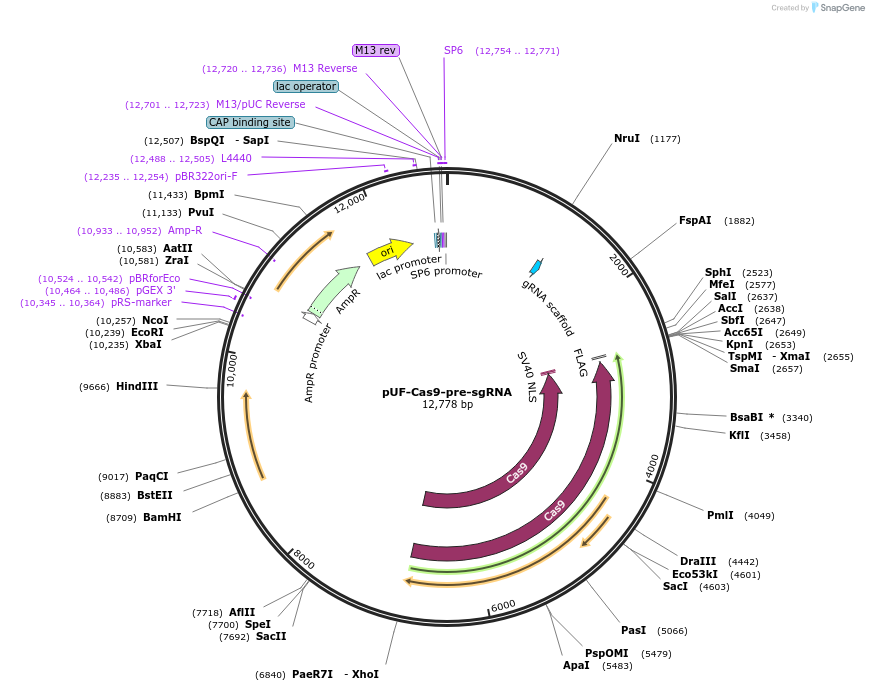
pYCTK013
Plasmid#176717PurposeThe plasmid is part of a GG toolkit for cell-cell communication in S. cerevisiae. This plasmid is an L0 part plasmid and contains the alpha-factor gene of Lachancea fermentati (sender part).DepositorArticleInsertmfalpha1Lf
UseSynthetic BiologyMutationCodon-optimized for expression in S. cerevisiaeAvailable SinceJan. 6, 2022AvailabilityAcademic Institutions and Nonprofits only -
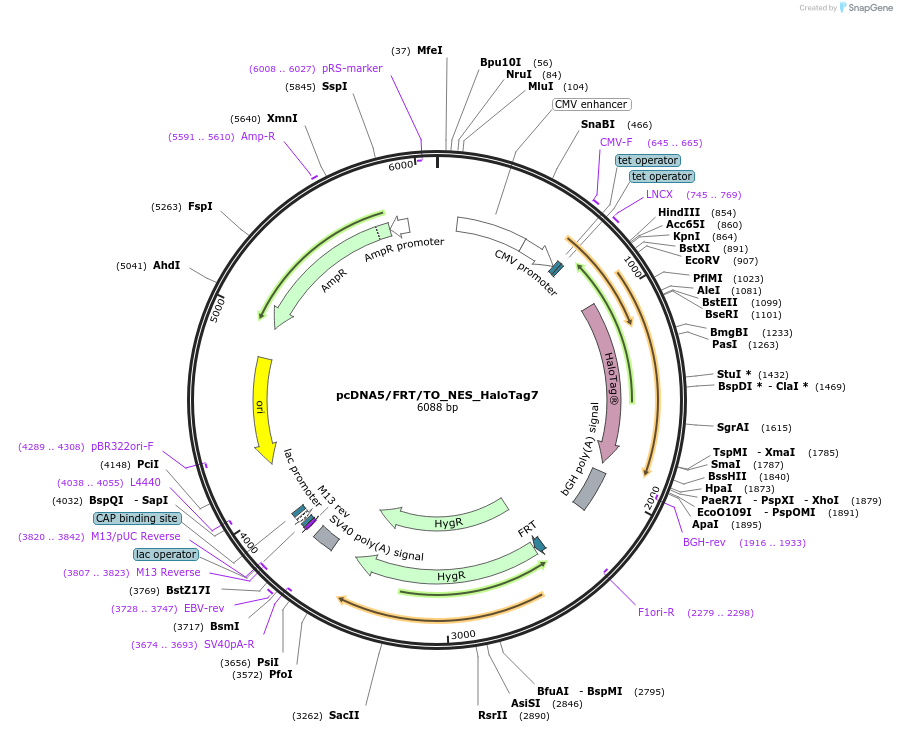
pYCTK021
Plasmid#176725PurposeThe plasmid is part of a GG toolkit for cell-cell communication in S. cerevisiae. This plasmid is an L0 part plasmid and contains the Ste2 gene of Kazachstania africana (receiver part).DepositorArticleInsertste2Ka
UseSynthetic BiologyMutationCodon-optimized for expression in S. cerevisiaeAvailable SinceJan. 6, 2022AvailabilityAcademic Institutions and Nonprofits only -
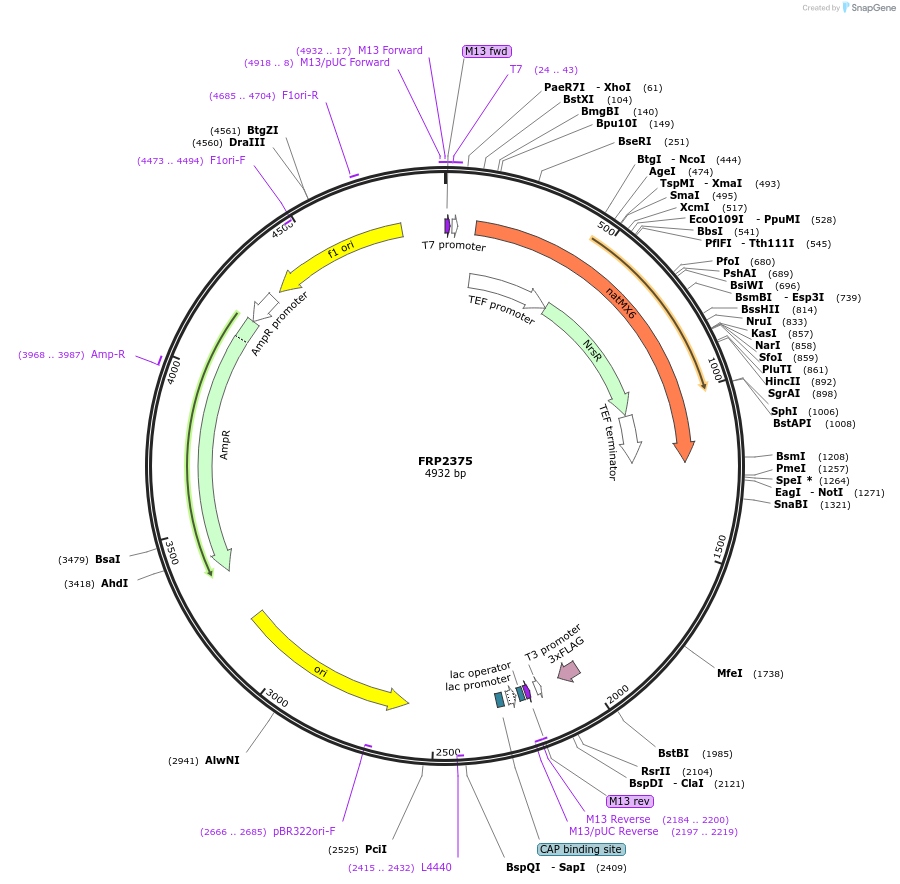
pYCTK022
Plasmid#176726PurposeThe plasmid is part of a GG toolkit for cell-cell communication in S. cerevisiae. This plasmid is an L0 part plasmid and contains the Ste2 gene of Kluyveromyces lactis (receiver part).DepositorArticleInsertste2Kl
UseSynthetic BiologyMutationCodon-optimized for expression in S. cerevisiaeAvailable SinceJan. 6, 2022AvailabilityAcademic Institutions and Nonprofits only -
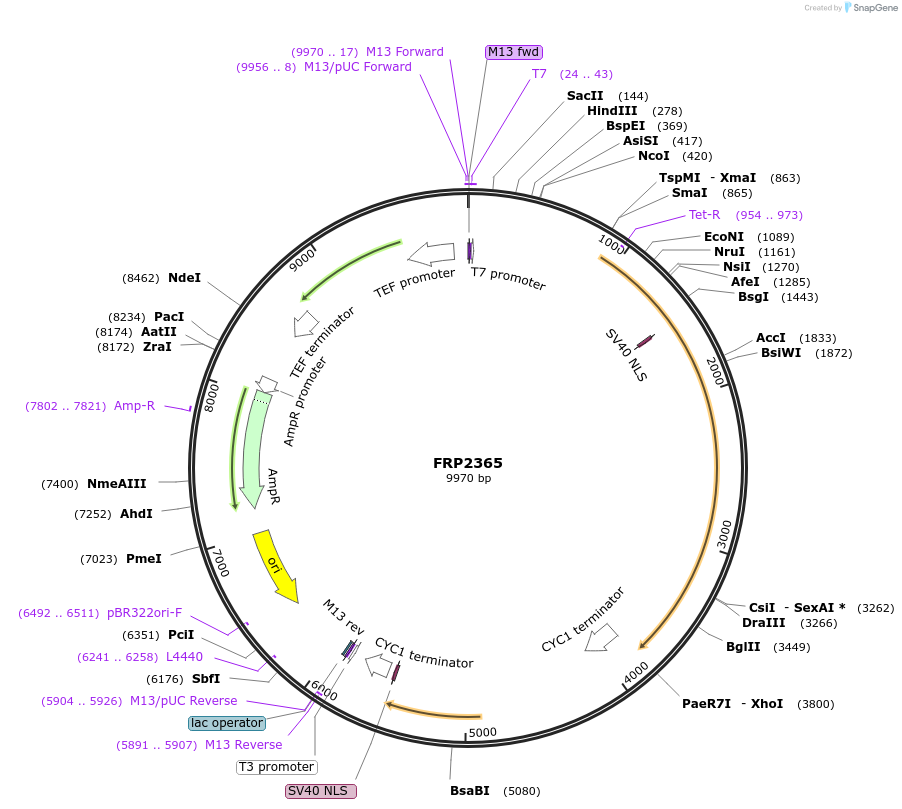
pYCTK023
Plasmid#176727PurposeThe plasmid is part of a GG toolkit for cell-cell communication in S. cerevisiae. This plasmid is an L0 part plasmid and contains the Ste2 gene of Kazachstania naganishii (receiver part).DepositorArticleInsertste2Kn
UseSynthetic BiologyMutationCodon-optimized for expression in S. cerevisiaeAvailable SinceJan. 6, 2022AvailabilityAcademic Institutions and Nonprofits only -
pYCTK024
Plasmid#176728PurposeThe plasmid is part of a GG toolkit for cell-cell communication in S. cerevisiae. This plasmid is an L0 part plasmid and contains the Ste2 gene of Lachancea fermentati (receiver part).DepositorArticleInsertste2Lf
UseSynthetic BiologyMutationCodon-optimized for expression in S. cerevisiaeAvailable SinceJan. 6, 2022AvailabilityAcademic Institutions and Nonprofits only -
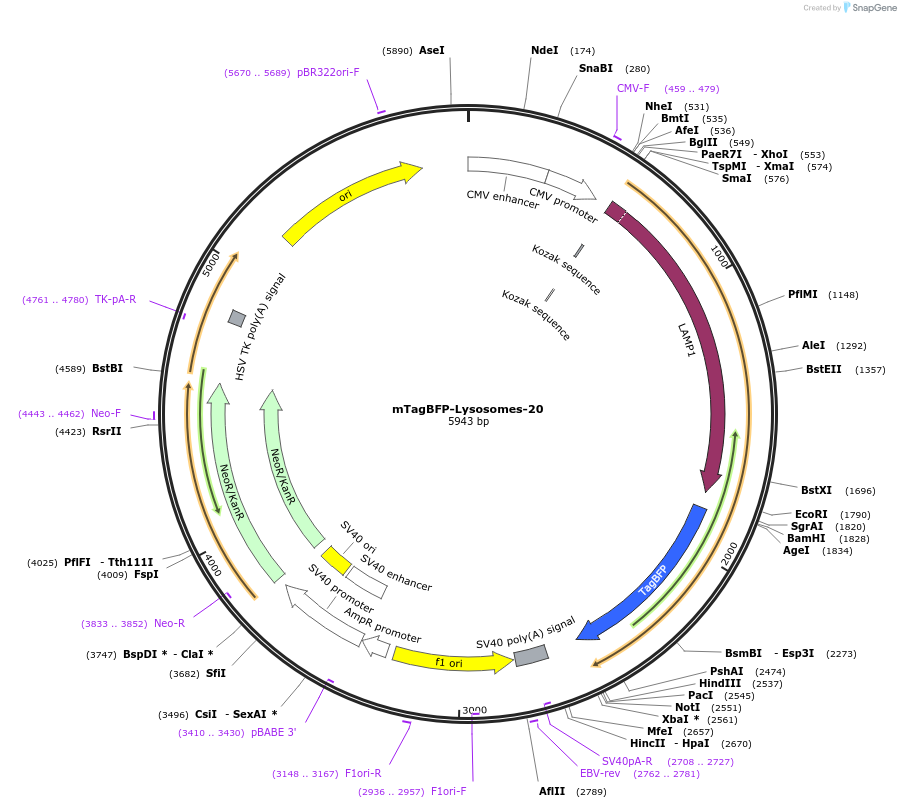
pYCTK026
Plasmid#176730PurposeThe plasmid is part of a GG toolkit for cell-cell communication in S. cerevisiae. This plasmid is an L0 part plasmid and contains the Ste2 gene of Lachancea thermotolerans (receiver part).DepositorArticleInsertste2Lt
UseSynthetic BiologyMutationCodon-optimized for expression in S. cerevisiaeAvailable SinceJan. 6, 2022AvailabilityAcademic Institutions and Nonprofits only -
pYCTK029
Plasmid#176733PurposeThe plasmid is part of a GG toolkit for cell-cell communication in S. cerevisiae. This plasmid is an L0 part plasmid and contains the Ste2 gene of Vanderwaltozyma polyspora (receiver part).DepositorArticleInsertste2Vp
UseSynthetic BiologyMutationCodon-optimized for expression in S. cerevisiaeAvailable SinceJan. 6, 2022AvailabilityAcademic Institutions and Nonprofits only