We narrowed to 20,020 results for: REN;
-
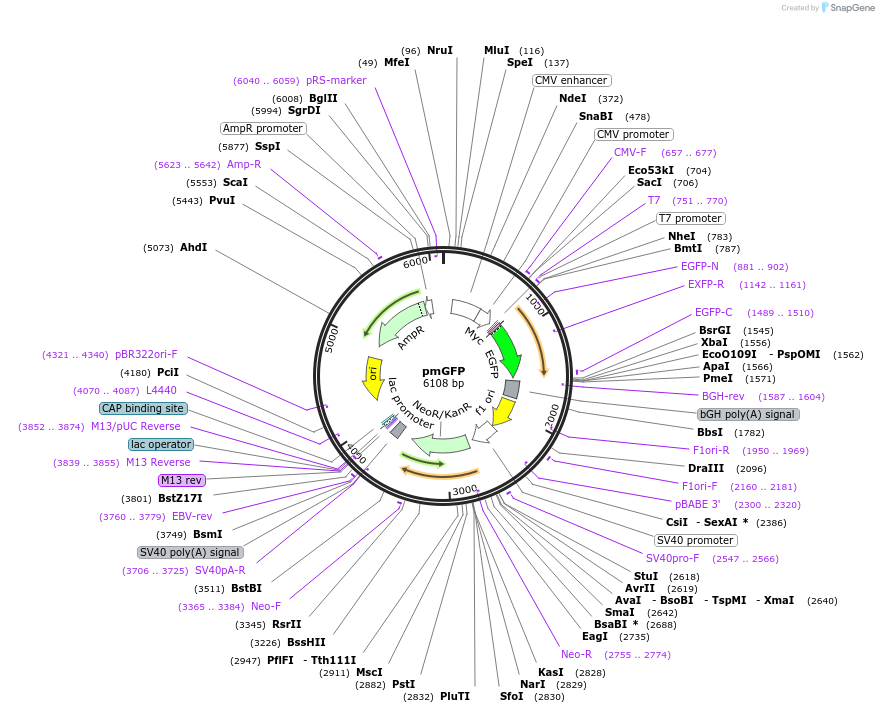
Plasmid#117926PurposeControl plasmid expressing myc-GFP.DepositorTypeEmpty backboneExpressionMammalianAvailable SinceDec. 4, 2018AvailabilityAcademic Institutions and Nonprofits only
-
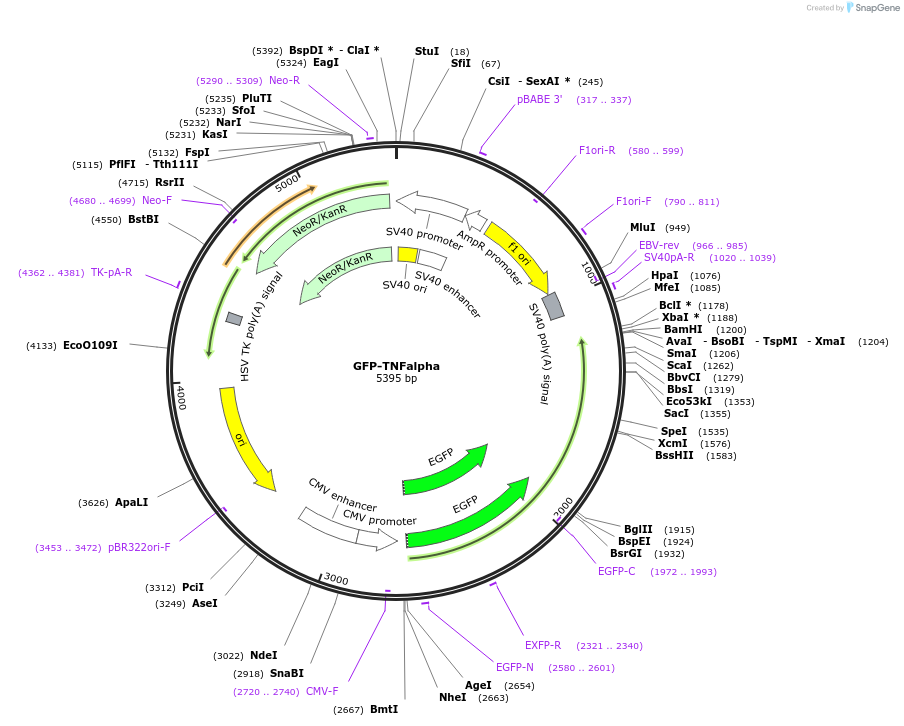
GFP-TNFalpha
Plasmid#28089DepositorAvailable SinceMarch 22, 2011AvailabilityAcademic Institutions and Nonprofits only -
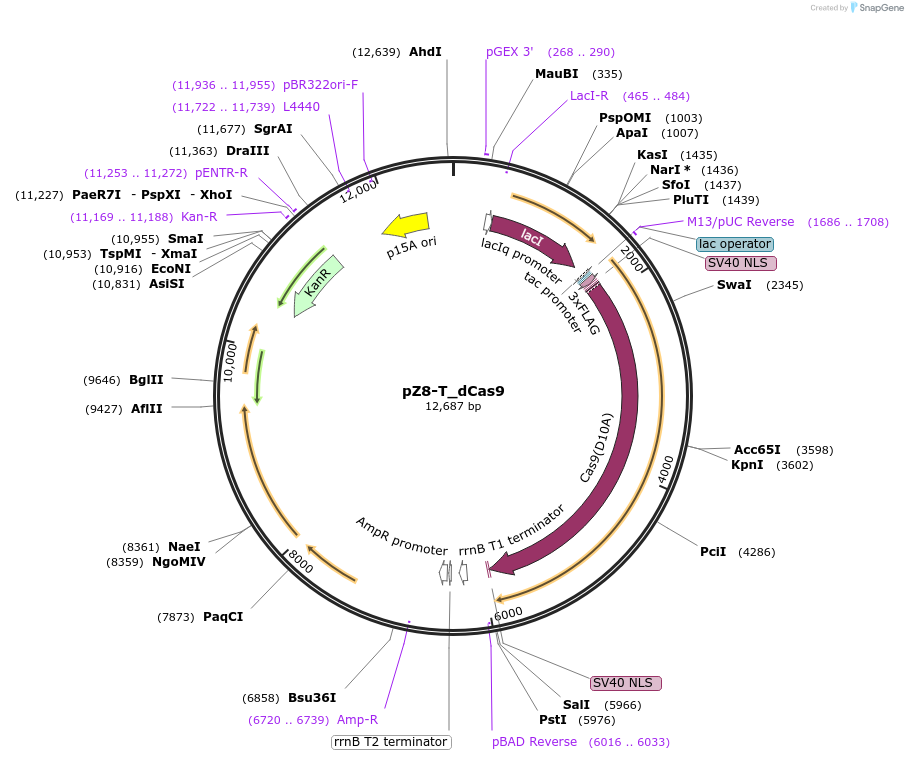
pZ8-T_dCas9
Plasmid#74062PurposepZ8-1 plasmid carrying dcas9, driven by the IPTG-inducible Ptac promoter, KanRDepositorInsertdcas9
UseCRISPR and Synthetic BiologyExpressionBacterialPromoterptacAvailable SinceApril 11, 2016AvailabilityAcademic Institutions and Nonprofits only -
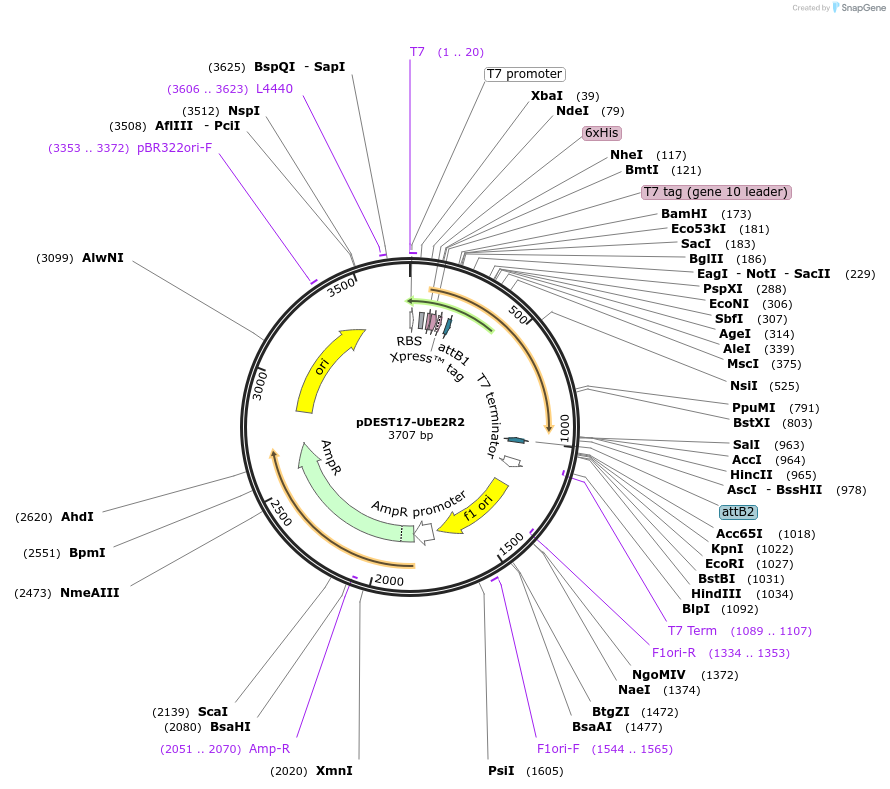
pDEST17-UbE2R2
Plasmid#15806DepositorAvailable SinceSept. 28, 2007AvailabilityAcademic Institutions and Nonprofits only -
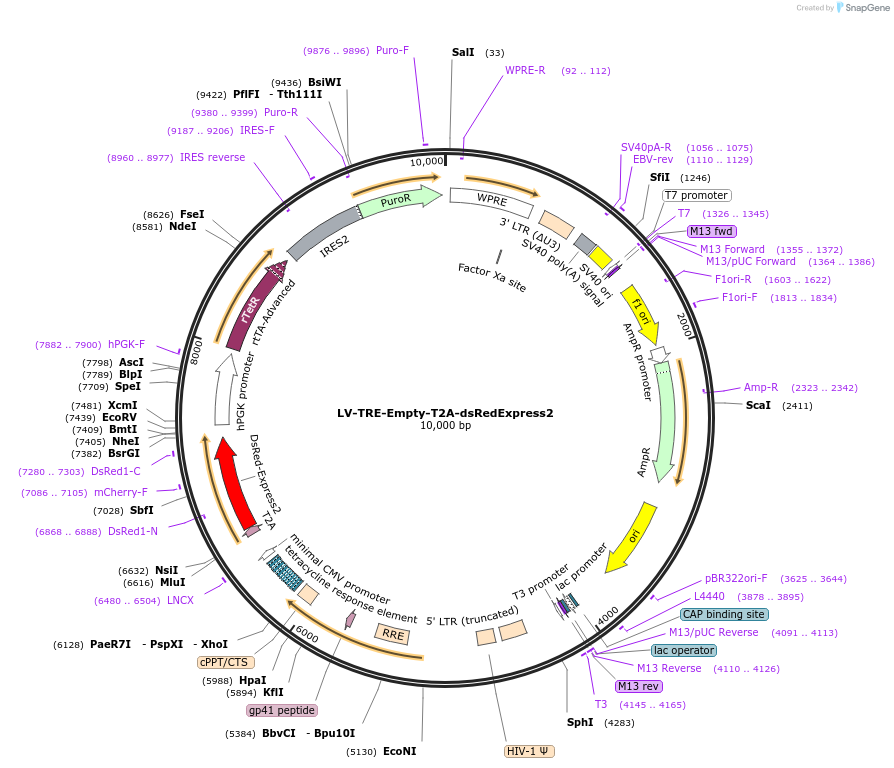
LV-TRE-Empty-T2A-dsRedExpress2
Plasmid#60623PurposeExpresses dsRedExpress2 in response to doxycyclineDepositorInsertEmpty
UseLentiviralPromoterTREAvailable SinceDec. 11, 2014AvailabilityAcademic Institutions and Nonprofits only -
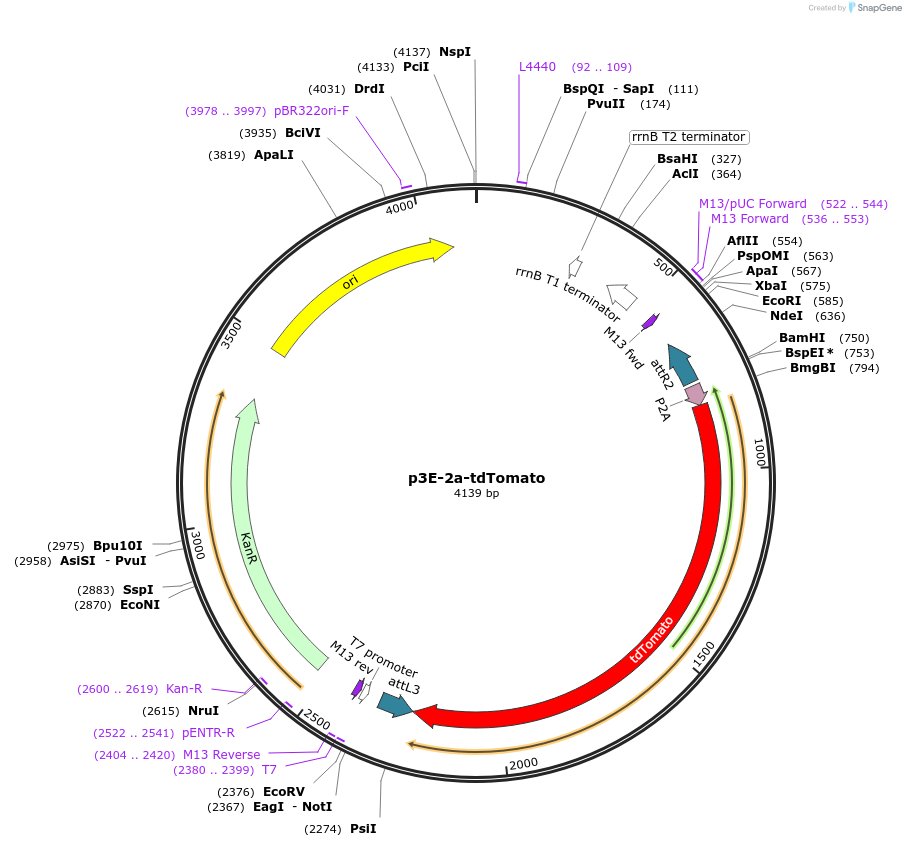
p3E-2a-tdTomato
Plasmid#67707Purpose3' entry 2A-tdTomatoDepositorInsert2A-tdTomato
MutationG172S (please see depositor's comments below)Available SinceOct. 22, 2015AvailabilityAcademic Institutions and Nonprofits only -
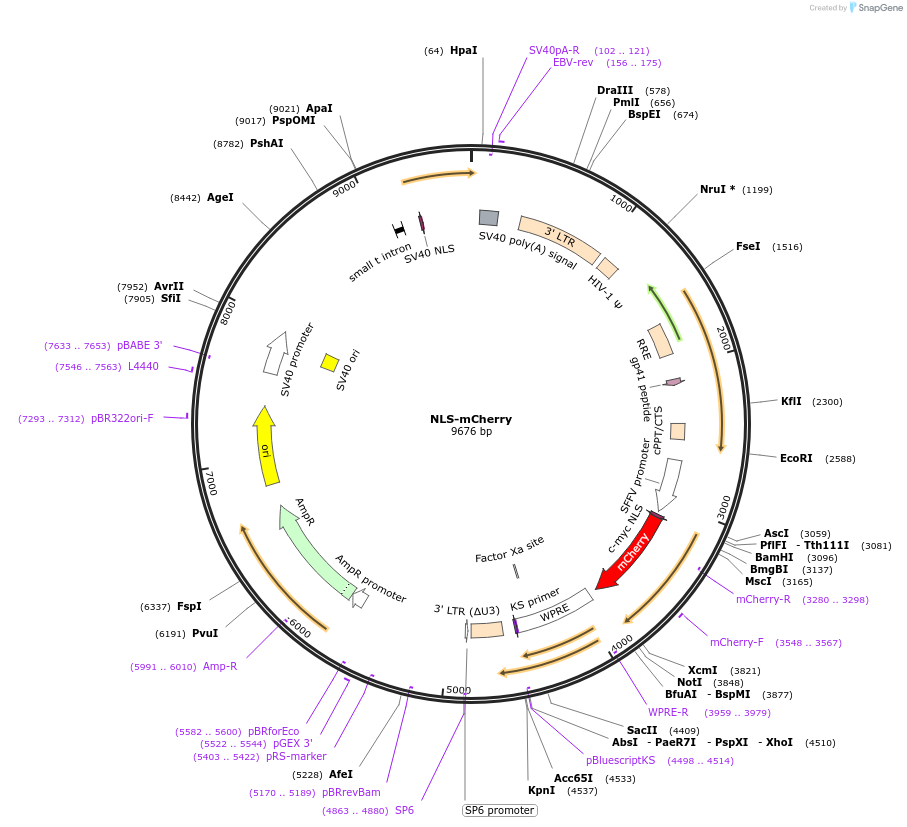
NLS-mCherry
Plasmid#221216Purposecontrol plasmid-part B of SPARK-OFFDepositorInsertNLS-mCherry
ExpressionMammalianAvailable SinceJune 27, 2024AvailabilityAcademic Institutions and Nonprofits only -
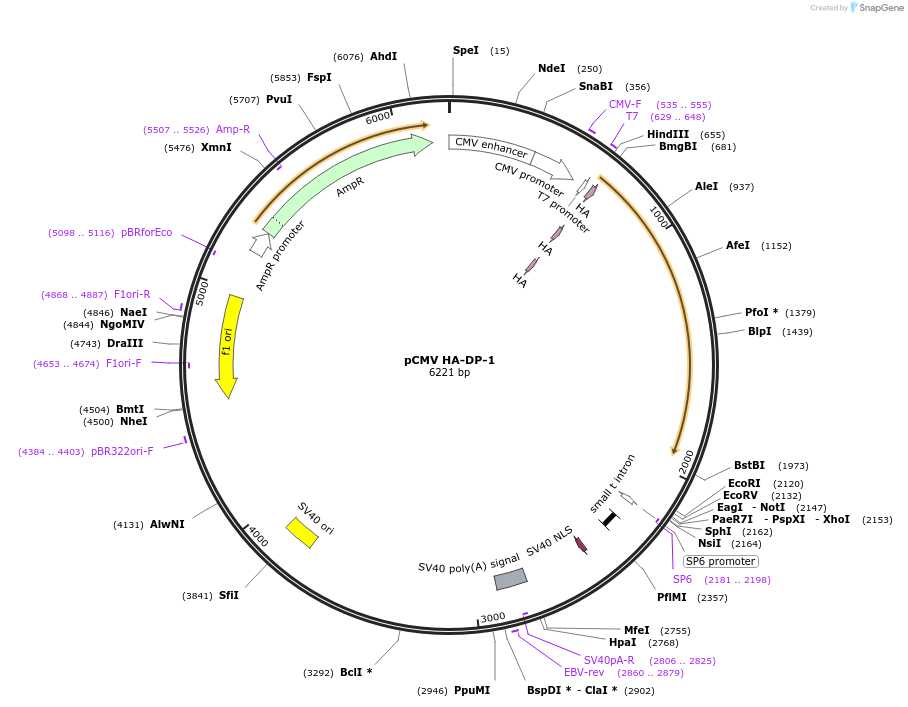
pCMV HA-DP-1
Plasmid#133705PurposeExpression of HA-tagged TFDP1.DepositorAvailable SinceMarch 25, 2020AvailabilityAcademic Institutions and Nonprofits only -
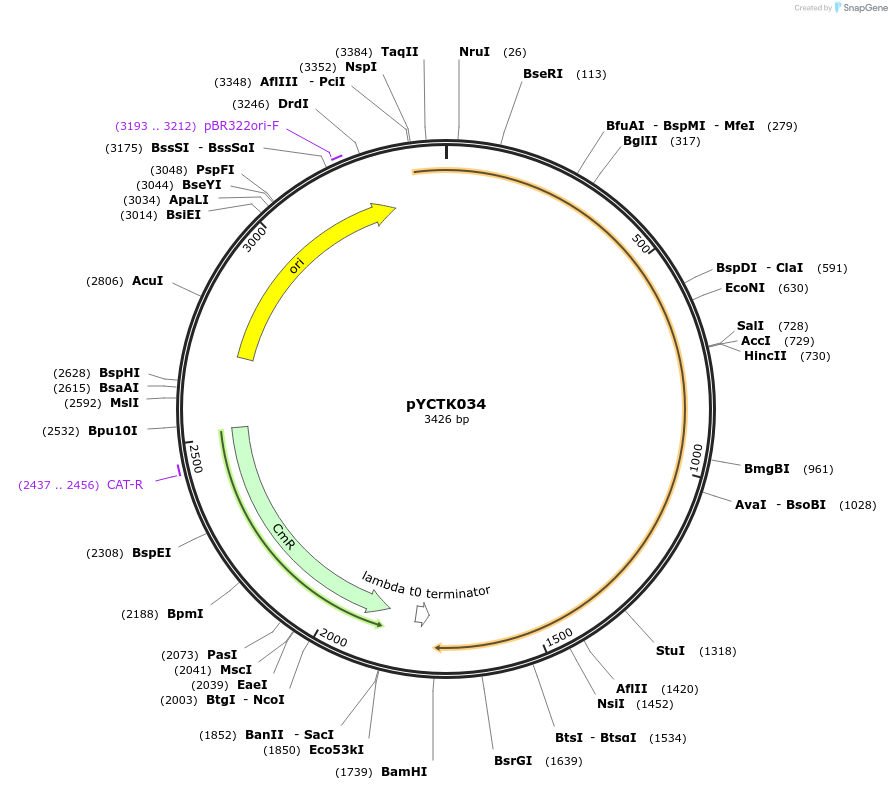
pYCTK034
Plasmid#176738PurposeThe plasmid is part of a GG toolkit for cell-cell communication in S. cerevisiae. This plasmid is an L0 part plasmid and contains the Bar1 gene of Saccharomyces cerevisiae (barrier part).DepositorArticleInsertbar1Sc
UseSynthetic BiologyAvailable SinceJan. 6, 2022AvailabilityAcademic Institutions and Nonprofits only -
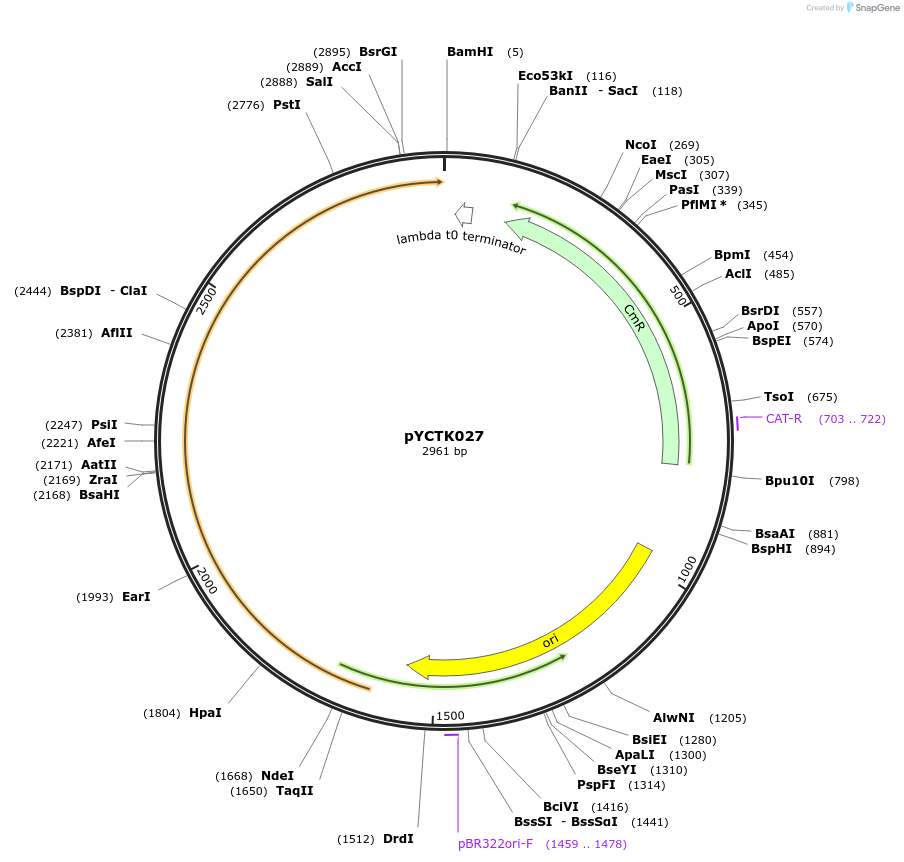
pYCTK027
Plasmid#176731PurposeThe plasmid is part of a GG toolkit for cell-cell communication in S. cerevisiae. This plasmid is an L0 part plasmid and contains the Ste2 gene of Saccharomyces cerevisiae (receiver part).DepositorArticleInsertste2Sc
UseSynthetic BiologyAvailable SinceJan. 6, 2022AvailabilityAcademic Institutions and Nonprofits only